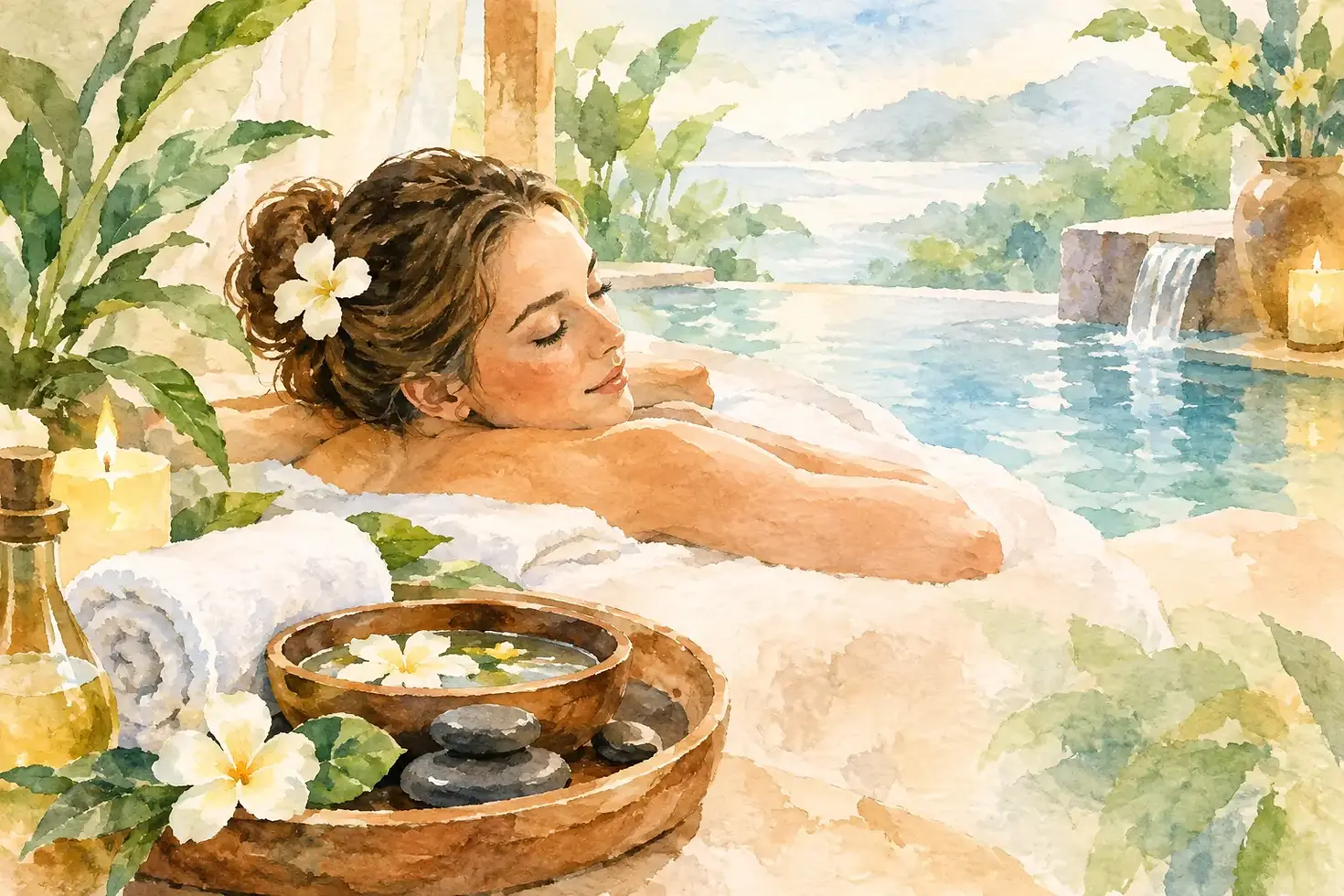
How to Plan a Spa Day for Real Restoration
A spa day should not feel like another calendar obligation squeezed between errands, emails, and dinner plans. The most restorative visits leave room for your body to soften, your thoughts to quiet, and your care to feel personal. Learning how to plan a spa day starts with one simple decision: choose what you need most right now, rather than trying to fit every possible treatment into a few hurried hours.
Maybe your shoulders are carrying a demanding workweek. Maybe your skin needs attention, your scalp needs a reset, or you simply miss feeling polished and cared for. A thoughtfully planned spa day can meet those needs while giving you a peaceful break from the pace of daily life.
Start With the Feeling You Want to Leave With
Before choosing services, picture the end of your visit. Do you want to feel deeply relaxed, refreshed and glowing, more confident for an occasion, or quietly restored from head to toe? That feeling is a better guide than a long list of treatments.
For pure relaxation, make bodywork or a head spa ritual the center of the day. Massage can ease the physical tension that builds from desk work, travel, workouts, or a full schedule. A head spa experience offers a different kind of release, inviting you to rest while your scalp, hair, and mind receive focused care. Many guests are surprised by how much calm begins at the scalp.
If looking refreshed is part of your goal, pair a facial with a finishing service such as a brow shaping, brow tint, lash lift, or waxing appointment. These services can be especially helpful before a celebration, photos, a vacation, or simply a season when you want your routine to feel a little easier. The trade-off is timing: aesthetic services may have aftercare considerations, so avoid booking a facial too close to an event if your skin is sensitive or you are trying something new.
How to Plan a Spa Day Around Your Schedule
The best spa days have breathing room. If possible, select a day when you do not need to rush directly into a meeting, pick up children, or attend a high-energy event. A quiet morning appointment can set a calmer tone for the day, while an afternoon visit can create a gentle transition out of a busy week.
Give yourself more time than the service menu suggests. Arrive early enough to settle in, use the restroom, silence your phone, and shift out of task mode. After your appointment, leave a small buffer before your next commitment. Even 30 minutes to sit with a tea, take a short walk, or drive home without a packed agenda helps the relaxation stay with you.
For a special occasion, plan further ahead. Couples appointments, group gatherings, and weekend time slots tend to require more coordination. If your spa day is part of a birthday, bridal weekend, friends’ outing, or a meaningful gift, choose the date first and then build the services around the group’s comfort levels and available time.
Choose One Anchor Treatment
An anchor treatment is the service that shapes the rest of your visit. It is usually the treatment you are most excited about or the one that addresses your most immediate need.
A massage is a natural anchor when stress, muscle fatigue, or physical tension is the priority. A facial works beautifully when you want dedicated skin care and a luminous, rested appearance. A head spa can be the right choice when you crave a uniquely tranquil ritual that combines scalp care with deep relaxation.
Once you have chosen your anchor, add only what supports it. A massage followed by a facial can create an unhurried, head-to-toe experience. A head spa followed by brow or lash care can leave you feeling both soothed and polished. On the other hand, if you have limited time or are new to spa services, one signature treatment may be more satisfying than rushing through several.
Consider Treatment Order and Aftercare
Service order matters more than it may seem. Relaxing treatments generally work well before detail-focused beauty services, since you will be more settled and less likely to feel rushed. If you are receiving waxing, ask about the best timing for your skin and avoid booking it immediately after activities that may leave you extra sensitive, such as intense exercise or prolonged sun exposure.
Facials call for a little planning, too. If you are preparing for a major event, schedule far enough in advance to allow your skin to respond comfortably. Do not introduce an unfamiliar treatment at the last minute if you know your skin can be reactive. Your provider can help you choose care that feels appropriate for your skin, schedule, and goals.
Wear comfortable clothing, especially if massage or a head spa is part of your day. You do not need to arrive looking perfectly put together. A spa is a place to let the effort go for a while.
Make the Experience Feel Personal
A spa day becomes memorable when it reflects your real needs. Let your provider know what is on your mind, whether that is tension in a particular area, scalp concerns, skin sensitivity, a preference for quiet, or a special event ahead. Clear communication helps shape care around you, not a generic idea of what relaxation should look like.
It is also helpful to be honest about your comfort level. First-time guests may prefer to begin with a single service and build from there on future visits. Regular spa guests may enjoy creating a more immersive ritual with complementary treatments. Neither approach is better. The goal is to leave feeling replenished, not overstimulated or overbooked.
At Cirrina Head & Body Spa, that can mean combining restorative care with the finishing touches that help you feel ready to return to your life with greater ease. The tranquility of the ocean-inspired setting is not meant to be rushed through. It is an invitation to pause and allow yourself to be taken care of.
Plan a Spa Day With Someone Else, If That Feels Right
A spa day can be wonderfully solitary, but it also makes a thoughtful shared experience. Couples may appreciate setting aside time that is restful rather than activity-filled. Friends can turn a celebration into something more meaningful than a busy dinner reservation. A group may choose individual services based on personal preference, then enjoy the sense of having stepped away from daily demands together.
Shared appointments do require a little flexibility. Not everyone will want the same treatment, length of service, or level of conversation. Keep the plan simple, confirm everyone’s preferences before booking, and avoid treating the day like a tightly scheduled group project. The point is connection and care, not perfect coordination.
If you are giving a spa experience as a gift, consider whether the recipient would rather choose their own service and timing. A gift card can offer the freedom to book the treatment that feels most needed when the moment arrives. It is a generous way to say, without asking for anything in return, that their rest matters.
Let the Calm Continue After You Leave
The hour after a spa visit can shape how restorative the experience feels. Try to resist filling it with errands, difficult conversations, or immediate screen time. Drink water, eat something nourishing if you need it, and give yourself permission to move slowly.
You do not need to transform the rest of your life to honor one peaceful appointment. Simply carry one piece of the experience forward: an earlier bedtime, a quieter drive home, a few minutes without notifications, or the reminder that caring for yourself is not something you need to earn. A well-planned spa day is less about getting away from your life and more about returning to it feeling like yourself again.


Comments